Diving in Kaş
Dive sites and personal diving experience in Kaş, Turkey
Preface
After a diving trip to Montenegro, I decided to check what diving in Turkey is like. I chose Kaş because it is considered one of the most popular diving destinations in Turkey (according to the Internet).
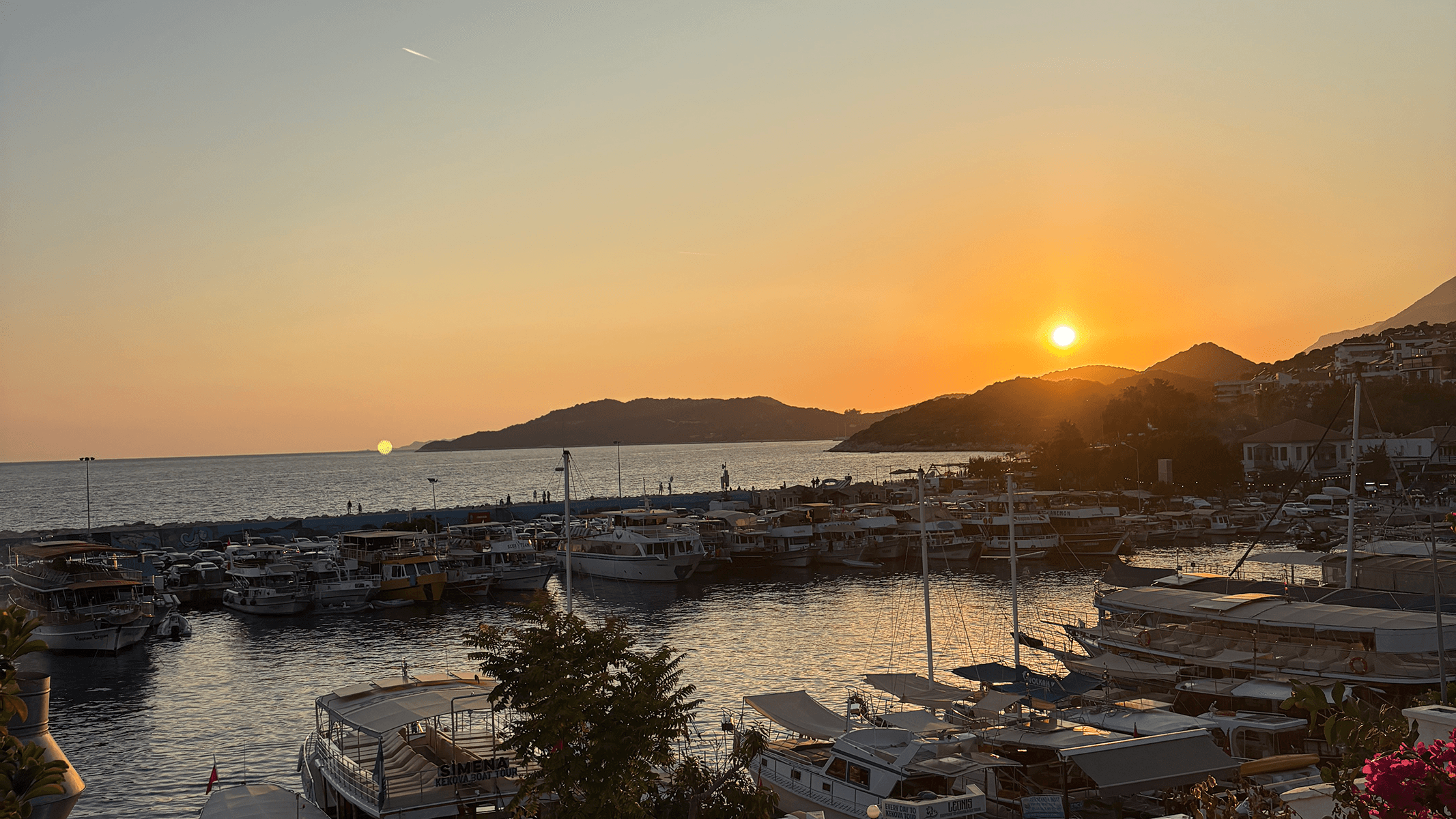
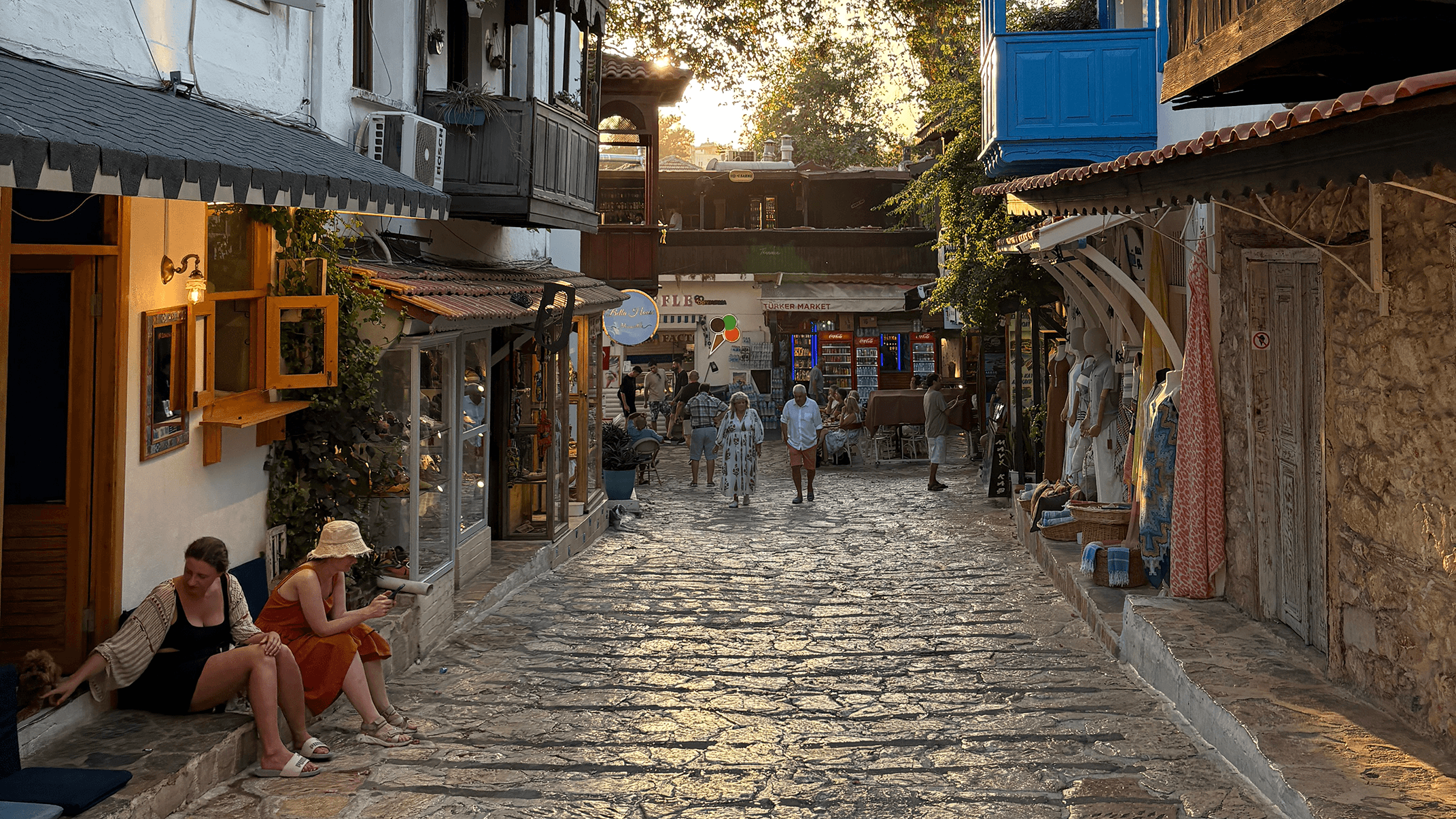
Kaş is a small town on the southern coast of Turkey, in Antalya province. It is known for beautiful beaches, historical landmarks, and diving. The town itself is quite small and mostly stretches along the coastline. There are many cafés, restaurants, and small shops, so there is plenty to do outside of diving. However, since the town is built on hills, walking around can be a bit challenging.
The vibe of Kaş reminded me of Koh Tao - relaxed atmosphere, calm rhythm, and many dive centers along the coast.
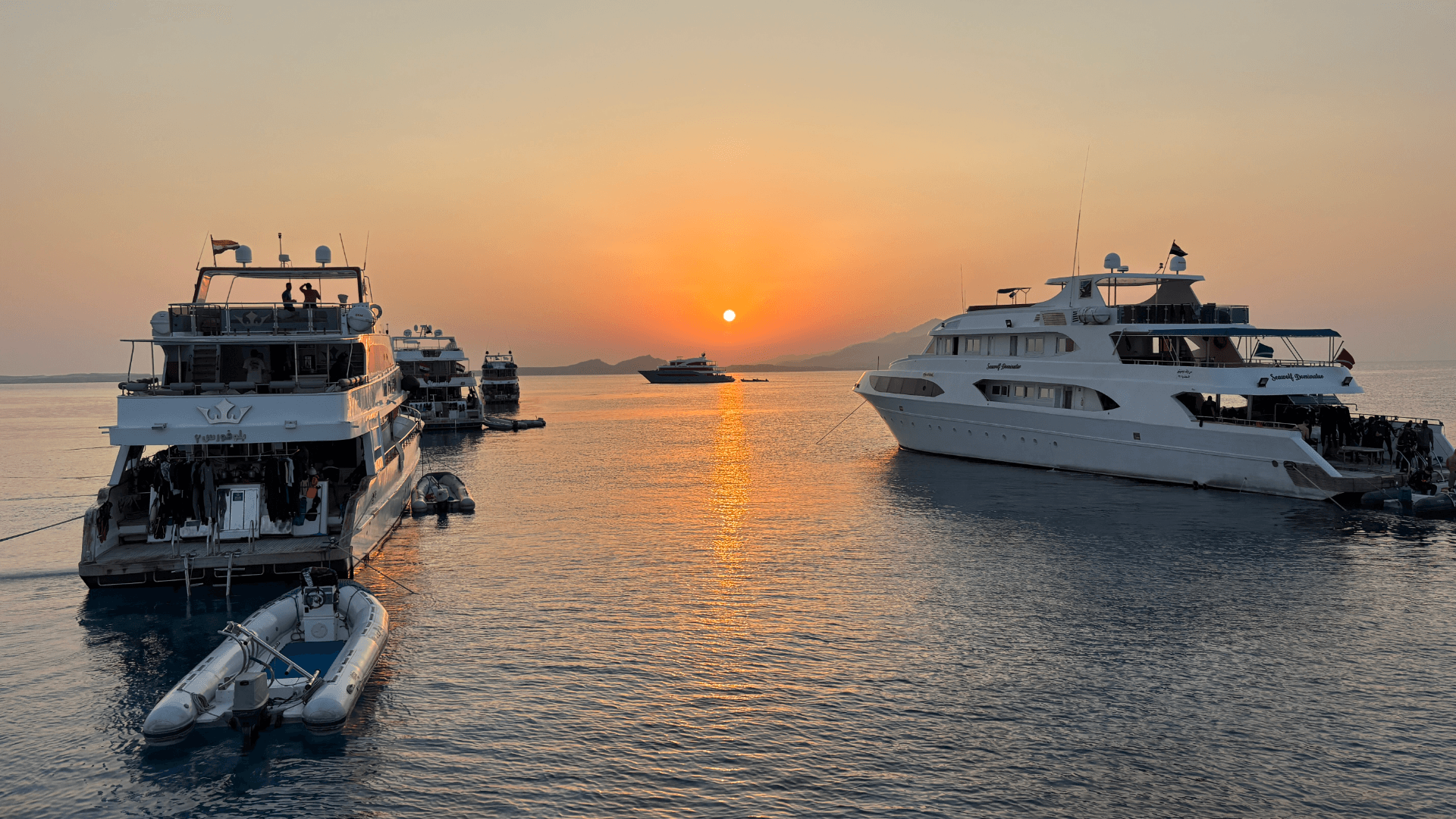
I dived with Nautilus Diving. I chose them using a simple rule: "Whoever replies first on Instagram, that's where I'll go." Overall, I was satisfied - everything was organized and professional.
The only thing was their relaxed attitude toward time. Meeting time was usually around 9:10-9:20 am, and departure was at 10. Between dives, there could be a couple of hours. In Thailand, with Kostya, we would have managed four dives in that time. But on the boat we had Turkish tea and enjoyed the sea view, so I forgive them 🙂
Day 1. Neptune Gardens and Güvercin Island
Neptune Gardens
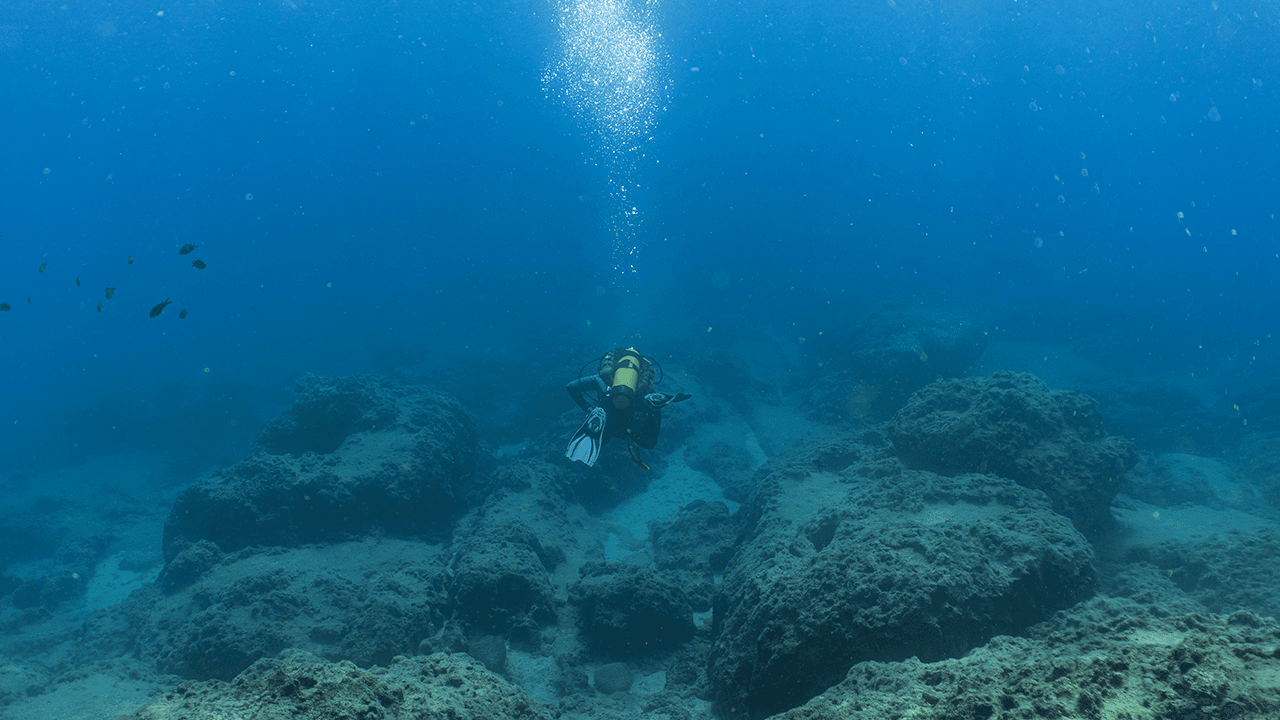
Despite the word "Gardens" in the name, this site is not really a garden. It consists of large rocks and ridges descending step by step into the blue.
Sometimes you can find sponges, but not many. "Climate change over recent years has greatly transformed the underwater world," the instructor told me when I asked why the garden looked empty.
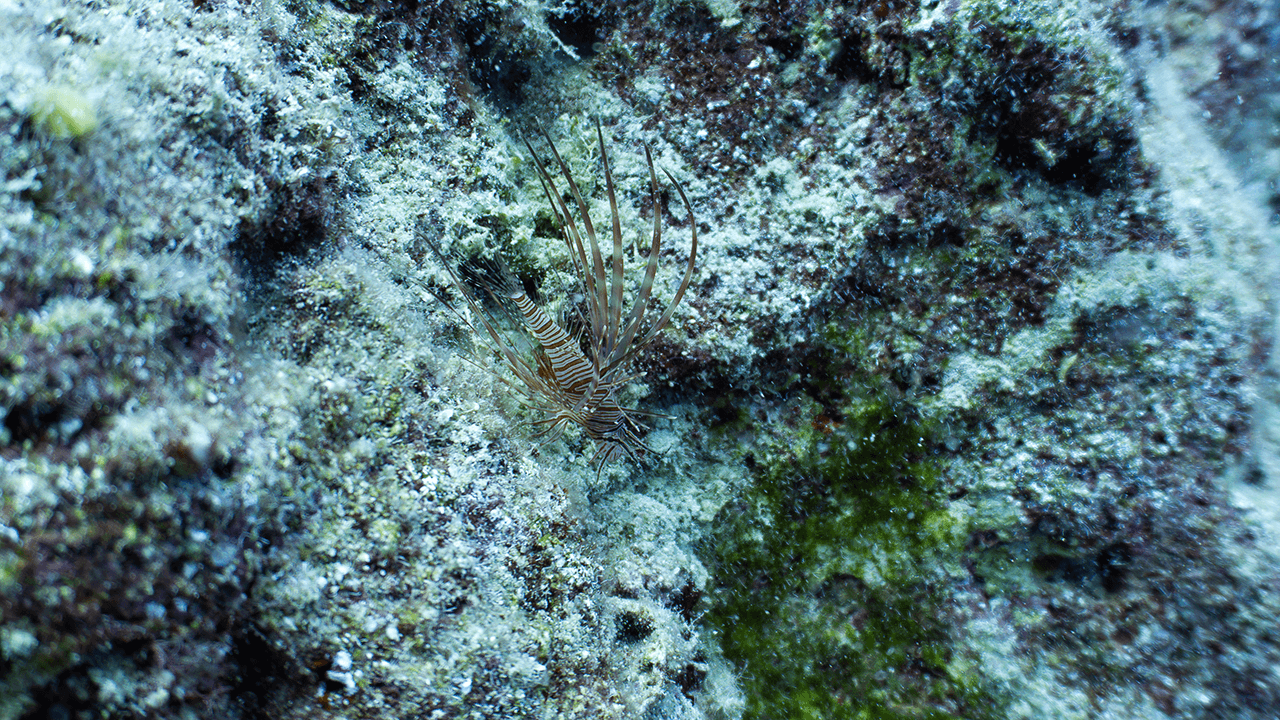
There were many small fish around the rocks, sometimes lionfish and moray eels, and a lot of mussels. Marine life overall was moderate, but the visibility was excellent - definitely more than 25 meters.
Our group had five people. Before the dive, instructor Berkay said: "You have a camera, Sertan has a camera and loves photography. If you fall behind, he knows the site and will guide you back."
And yes - after 15 minutes we fell behind because we were photographing a small lionfish.
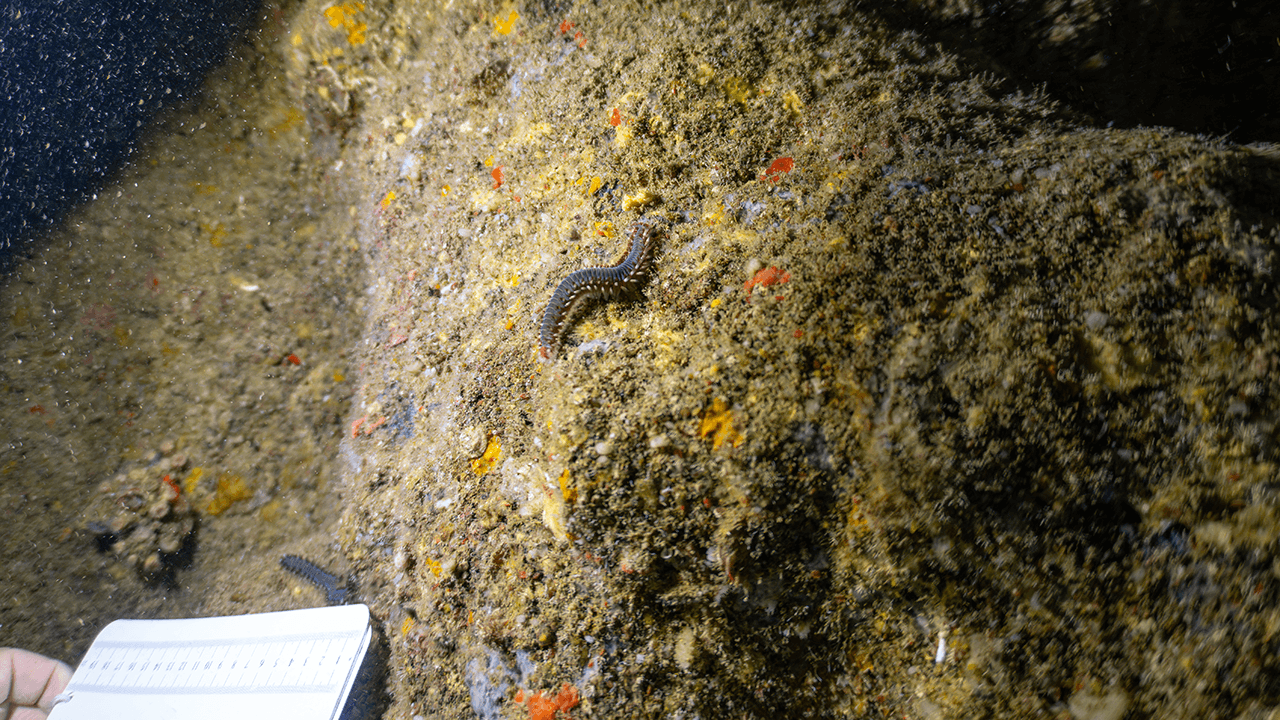
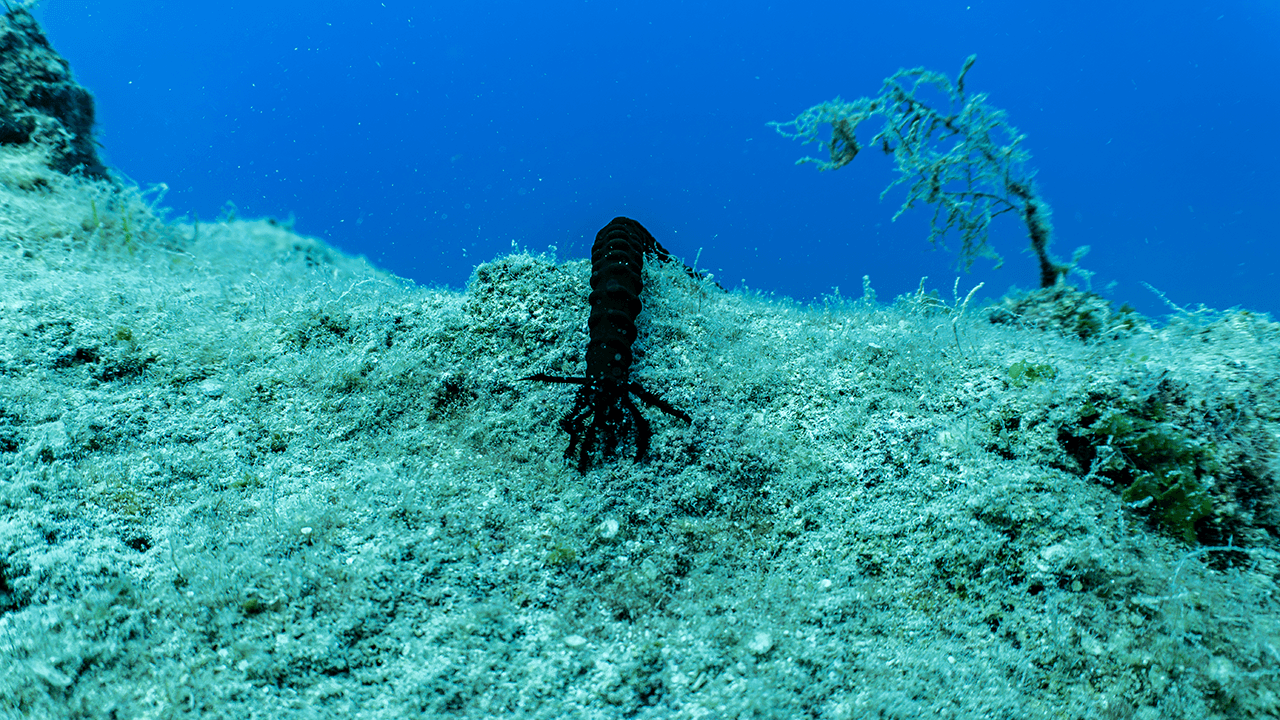
There is also a small canyon (more like a crack in the wall), where many bearded fireworms (Hermodice carunculata) live. Luckily we were alone there - with a full group it would have been crowded.
Güvercin Island
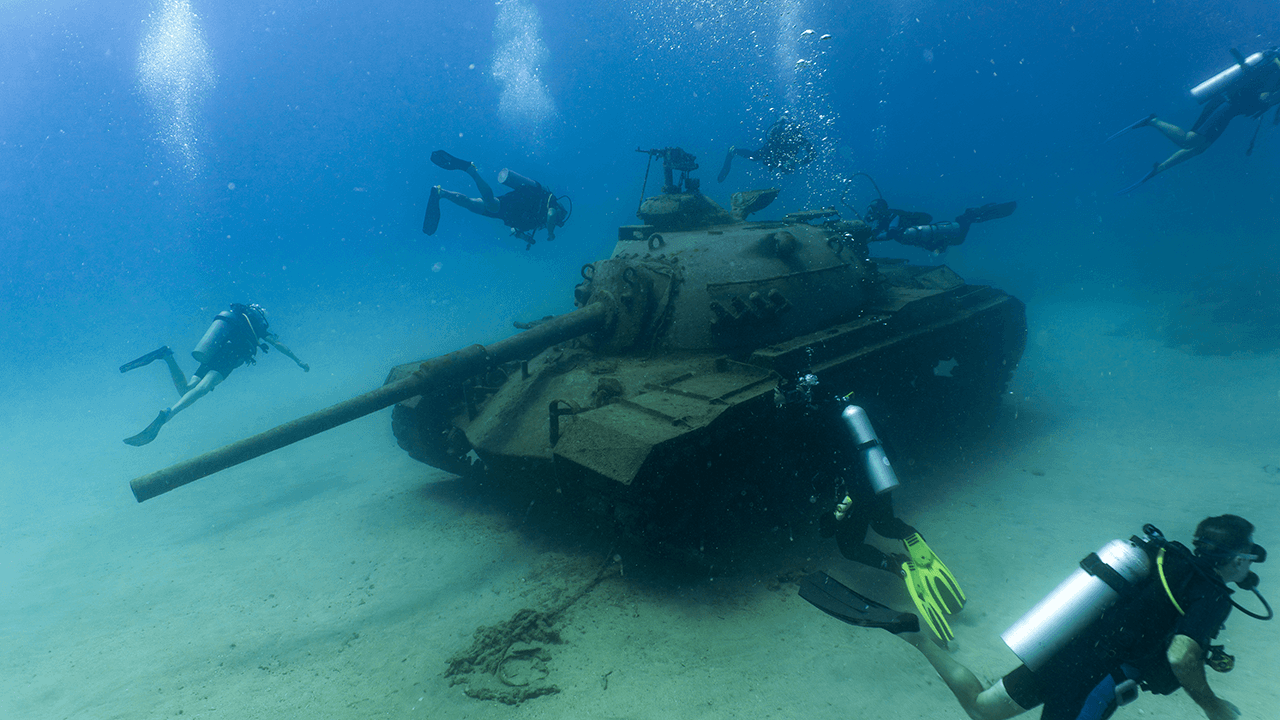
The main attraction is a deliberately sunk American tank from the 1960s. It was first placed temporarily at 5 meters in Kaş marina, then moved and sunk near the island at 16--18 meters.
The tank stands on flat sandy bottom and can be viewed from all sides. It is impossible to miss.
Not far from it, we saw eagle rays and a spotted ray, but the tank was definitely the highlight of the dive.
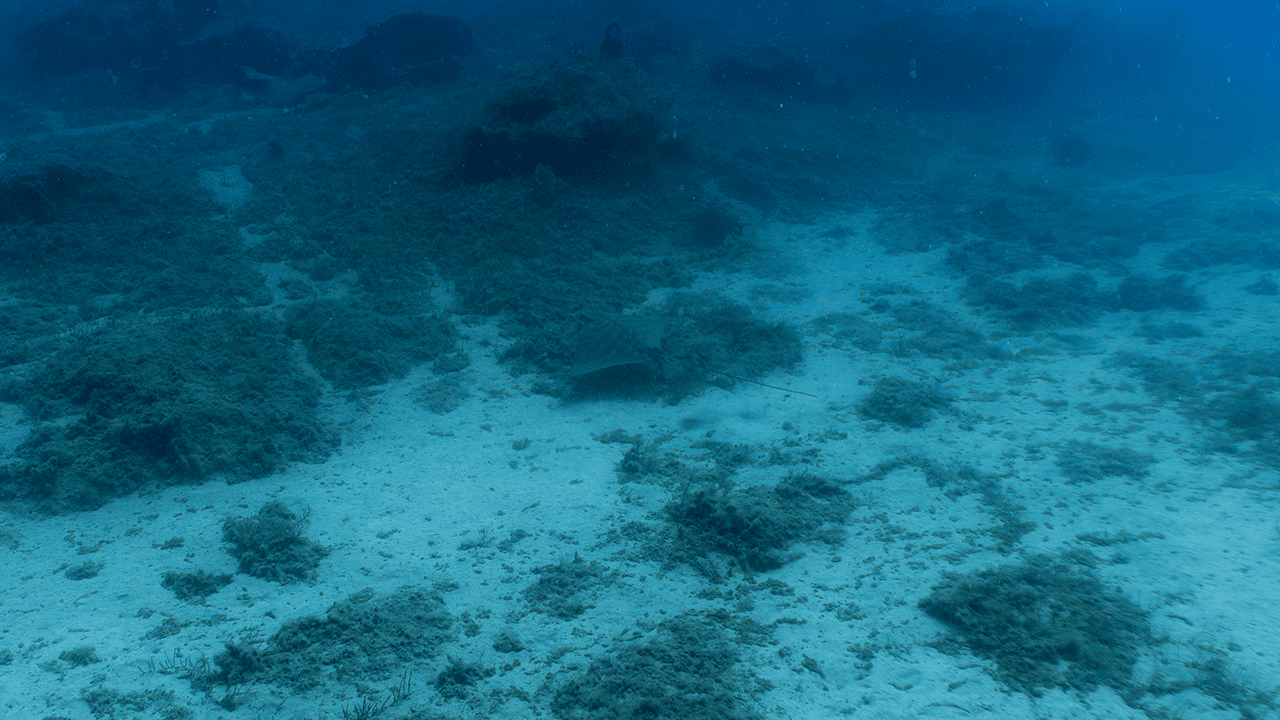
We again separated from the group and swam deeper. At one point, we were close to our no-decompression limit - less than five minutes remaining. On the way back to shallower water, time felt incredibly slow. It always amazes me how differently time feels at depth.
Everything ended well - no rules were broken 🙂
Day 2. Amphora Corner and Oasis
On the second day, we went to the Kovan islands area, about 30 minutes by boat from Kaş.
Amphora Corner
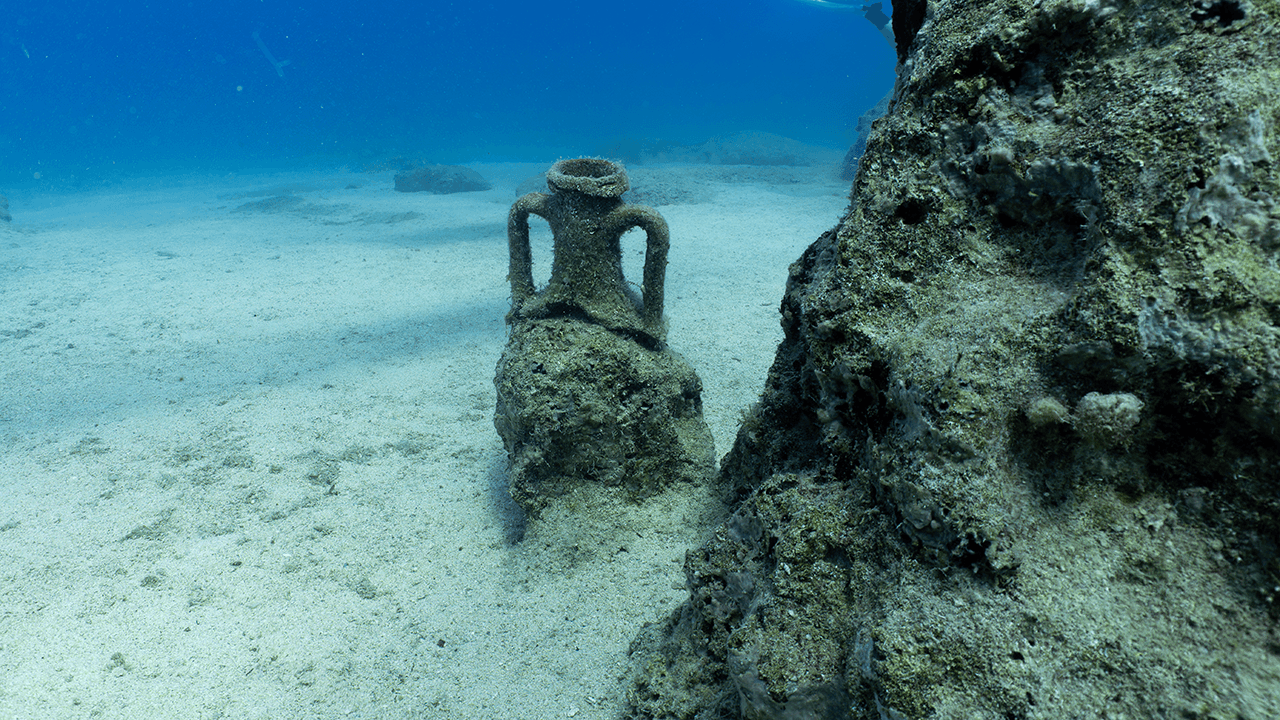
This site got its name from amphoras found there - some intact, some broken - along with stone and metal anchors.
Original amphoras can be identified by small tags. Instructors strongly advised not to touch them, as scientists monitor them.
The site is located on a corner of the island, forming chaotic rock formations descending to about 40 meters. Sometimes currents appear, especially during tides or changing winds. However, during the season the sea is usually calm, and visibility often exceeds 25 meters.
The site is not ideal for beginners, especially if you want to go deeper or dive along the reef with current.
At 15--20 meters, marine life becomes more active - schools of small fish, groupers, barracudas, sometimes turtles and squid.
Oasis
In the middle of flat sandy bottom rises a reef rock, with its top around 16 meters.
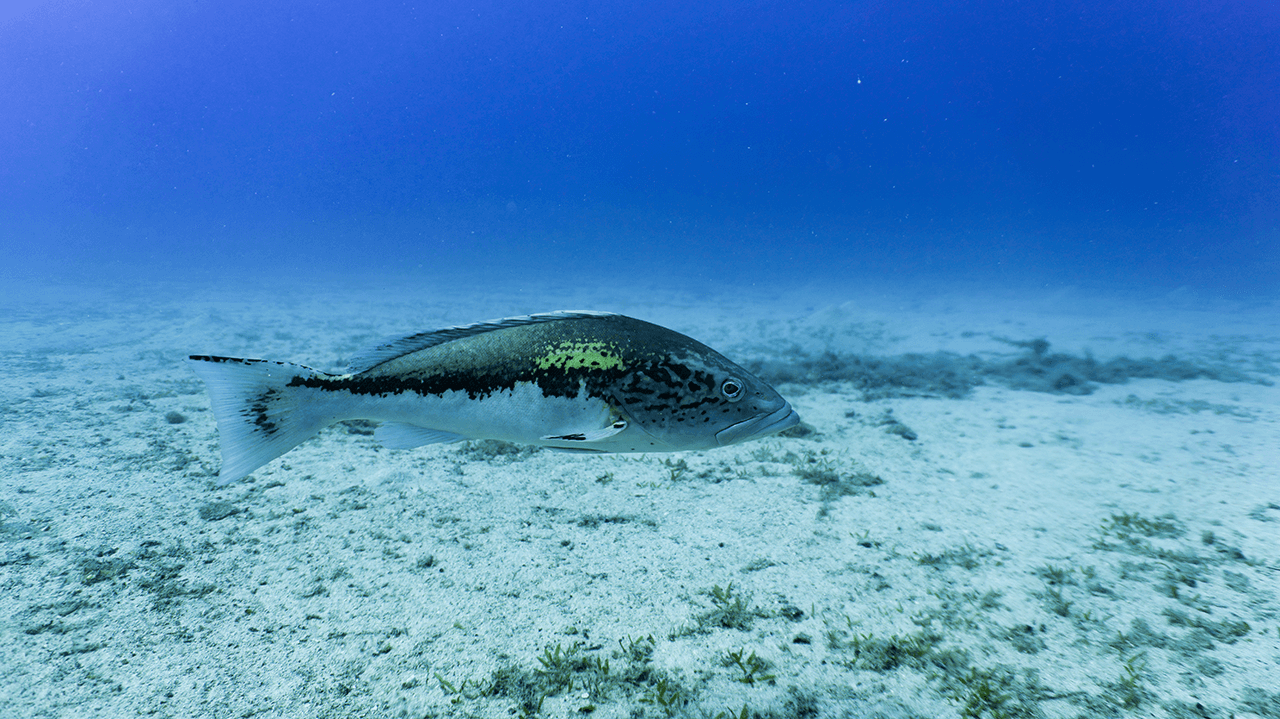
Groupers confidently guard the cracks and allow divers surprisingly close.
At the base lies a small wooden wreck. Time has damaged it, but it attracts life - from larger fish to small gobies and shrimp.
In shallower areas, there are fields of seagrass. When the water warms up, these areas are full of juvenile fish, barracudas, triggerfish, and sometimes turtles. We saw one turtle, but it immediately swam upward, as if saying: "You humans shouldn't ascend so fast."
Visibility was about 25 meters, currents weak or absent. It was a calm, relaxed dive.
Day 3. Pina Banko and Wreck TCSG-119
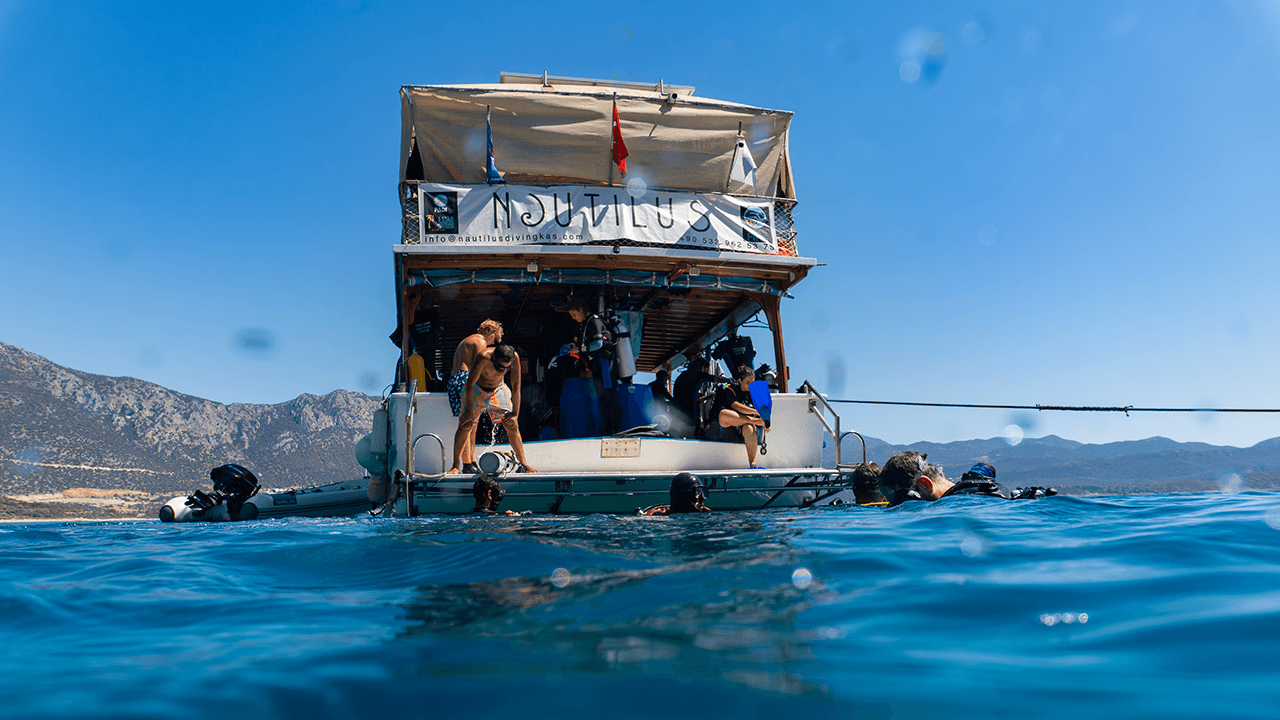
Day three was stressful - mostly because of the group.
One diver started assembling rental equipment only minutes before the dive, delaying everyone. Another diver kept swimming away from the group. During descent to the wreck, someone exceeded the depth limit (~37 m). Instead of enjoying the dive, I was constantly alert and slightly annoyed.
Pina Banko
Also called Pina Reef or Pen Shell Reef. The name comes from pen shell mollusks (Pinna species), once common here.
Unfortunately, due to climate change, they are now endangered. Since 2019, the species is considered critically threatened.
The dive starts on sandy bottom with seagrass patches, then drops to a wall reaching about 25 meters.
Barracudas hunt in the blue, groupers rest in cracks, and occasionally you can still see pen shells.
Wreck TCSG-119
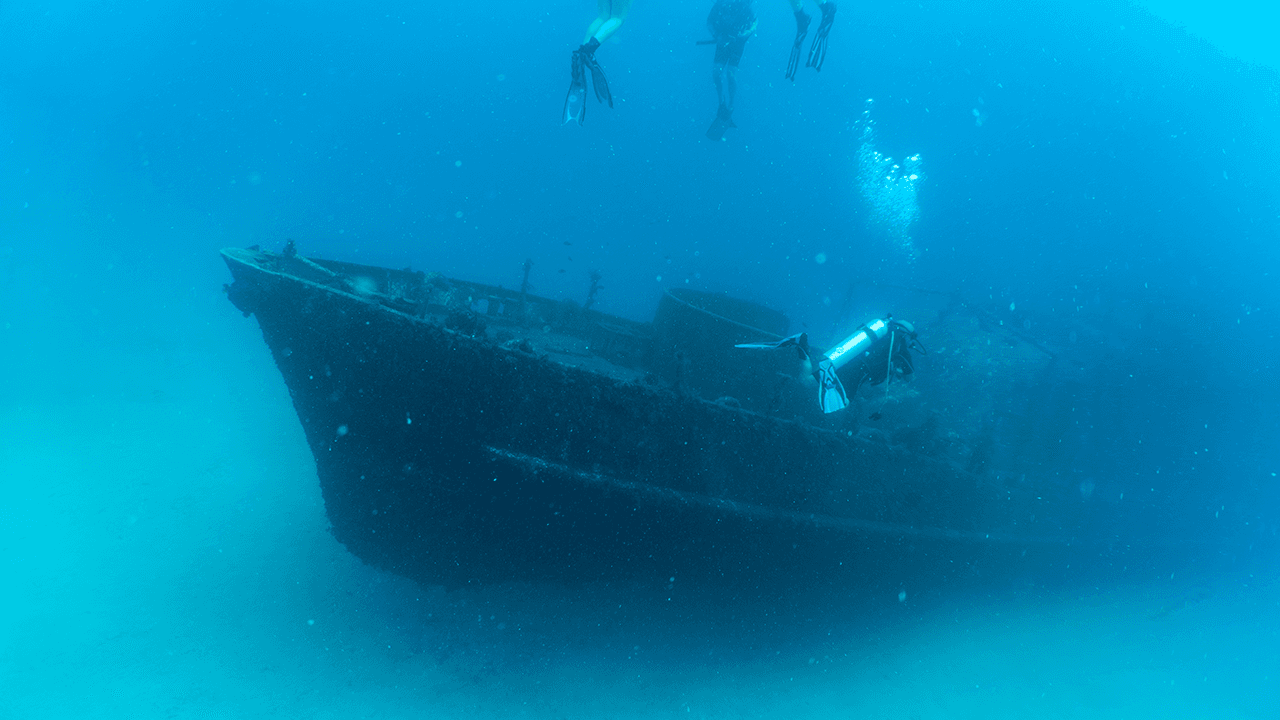
This is a former Turkish Coast Guard patrol boat, about 29 meters long, sunk in 2011 as an artificial reef.
The deck lies around 33--35 meters, the bottom closer to 40 meters. For recreational divers, this is near the comfort limit.
Originally it was planned to sink it shallower (around 28 m), but it settled deeper.
Excellent visibility allows viewing it from above.
Day 4. Canyon and Plane (C-47 Dakota)
The last day was the highlight. Small group, experienced divers, relaxed atmosphere.
Canyon
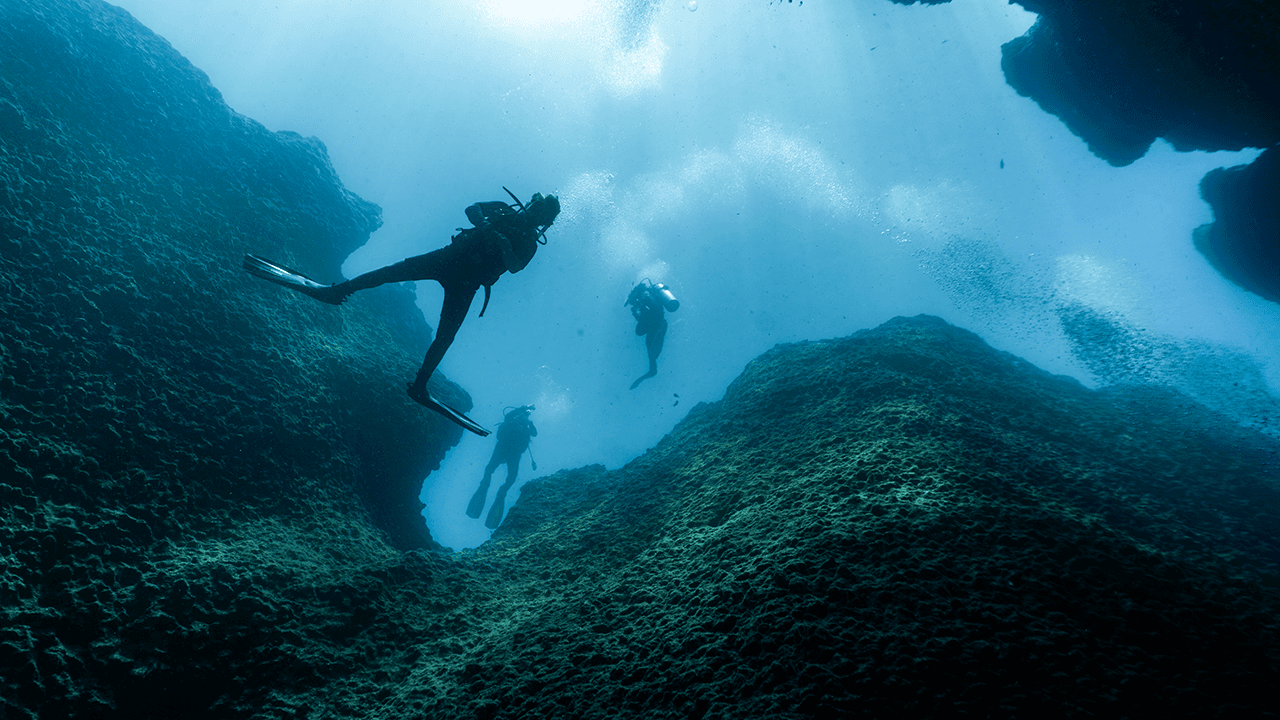
A narrow underwater passage starting at shallow depth (3--5 m) and descending to 18--22 m, opening to a dramatic outer wall.
On one side, the wall drops to 55 meters. It is important to monitor depth.
Nearby lie remains of the Greek cargo ship "Dimitri" (1968), scattered between 25 and 40 meters.
Visibility varies between 15 and 30 meters. Sometimes there is current at the entrance.
Plane (C-47 Dakota)
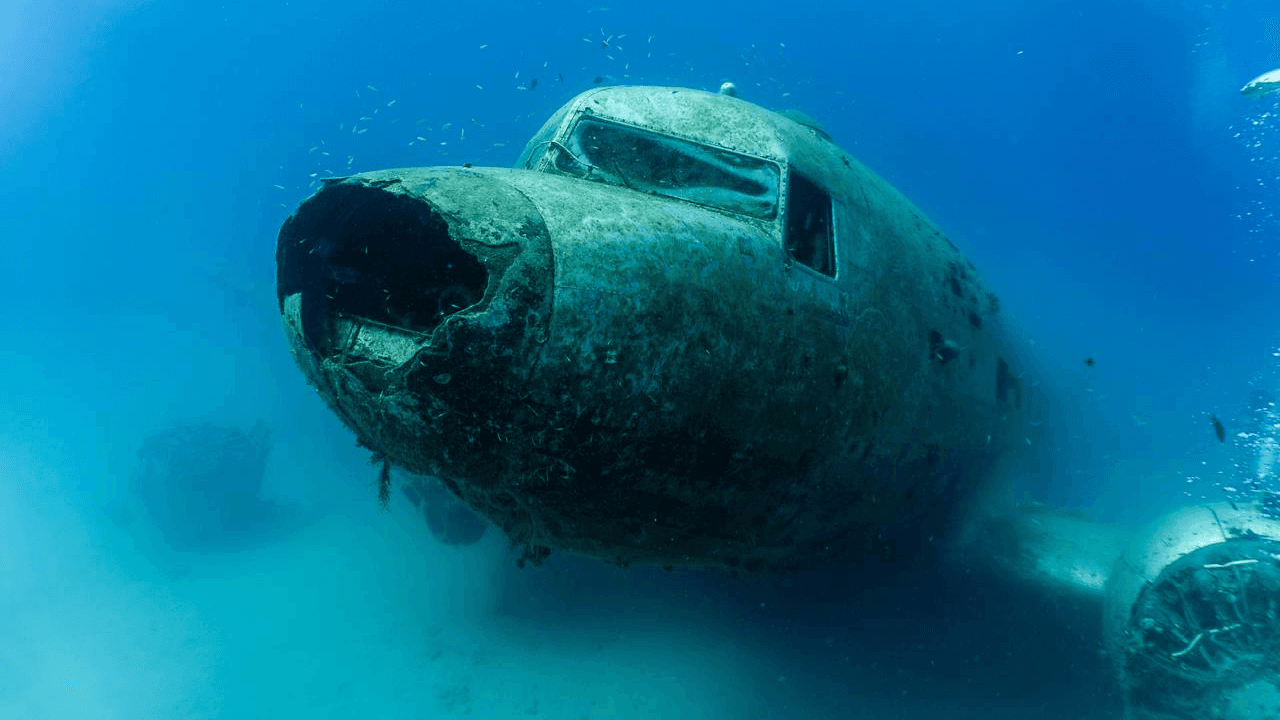
An intentionally sunk transport aircraft C-47 Dakota (wingspan ~29 m, length ~20 m), sunk in 2009 as an artificial reef.
It lies at 14--22 meters on sandy bottom, suitable for divers of all levels.
Usually divers circle the plane: nose → right wing → tail → left wing.
Inside the cargo compartment is mostly empty, since equipment was removed before sinking.
Sometimes divers also visit nearby wooden remains ("Ottoman wreck"), but compared to the plane it looks modest.
Conclusion
Kaş is a great diving destination in Turkey.
You shouldn't come here expecting marine biodiversity like Thailand or Egypt. But Kaş offers many wrecks (natural and artificial) and excellent visibility.
I would definitely come back.