Tag: Mollusks
Materials found: 4
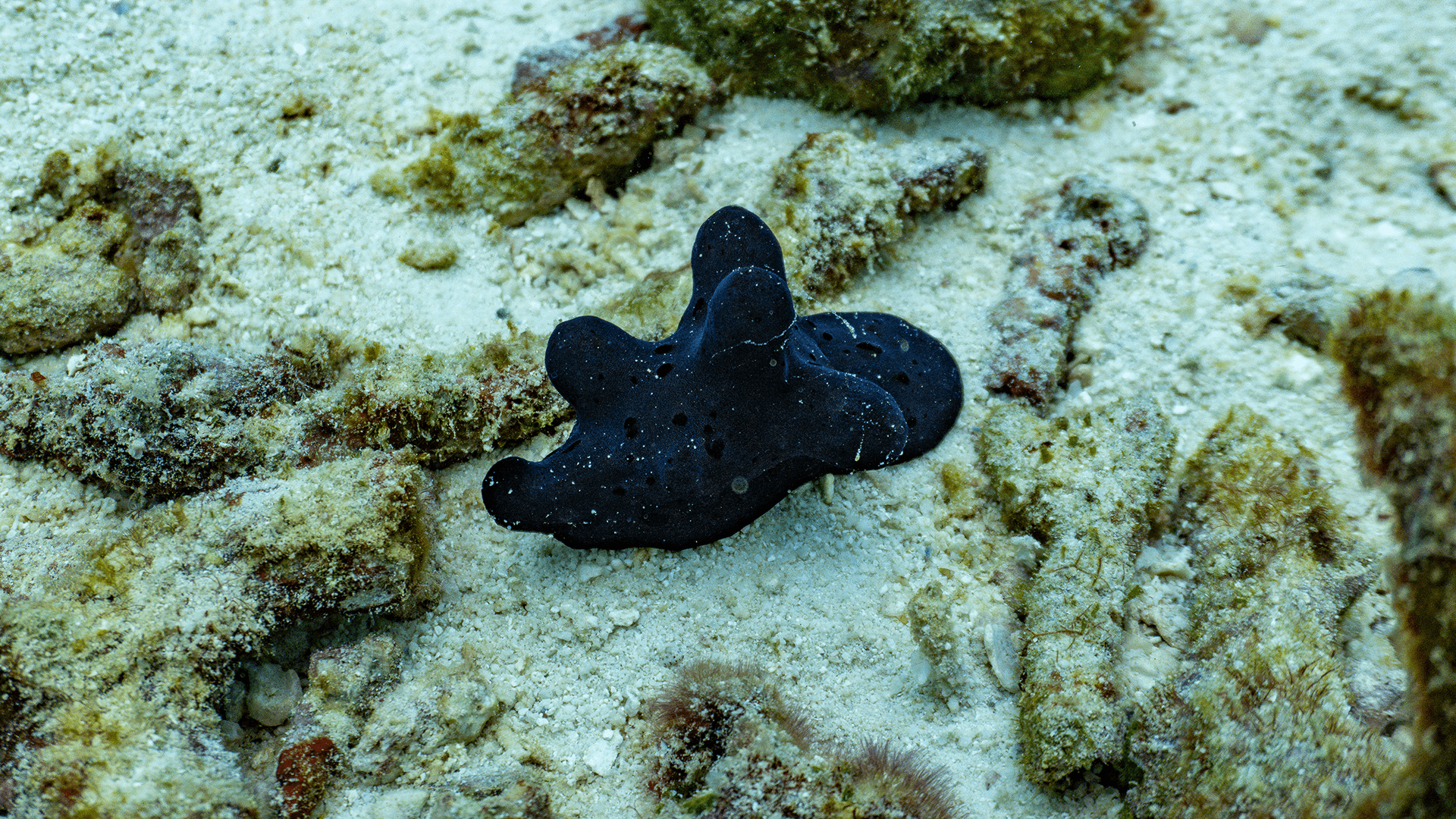
Hiby's Coriocella (Velvet Snail)
Hiby's coriocella (velvet snail) is a marine gastropod mollusk of the Velutinidae family. It has a shell, but it is hidden by mantle folds, so externally the animal resembles a sea slug and in nature often mimics a sponge.
Coriocella hibyae
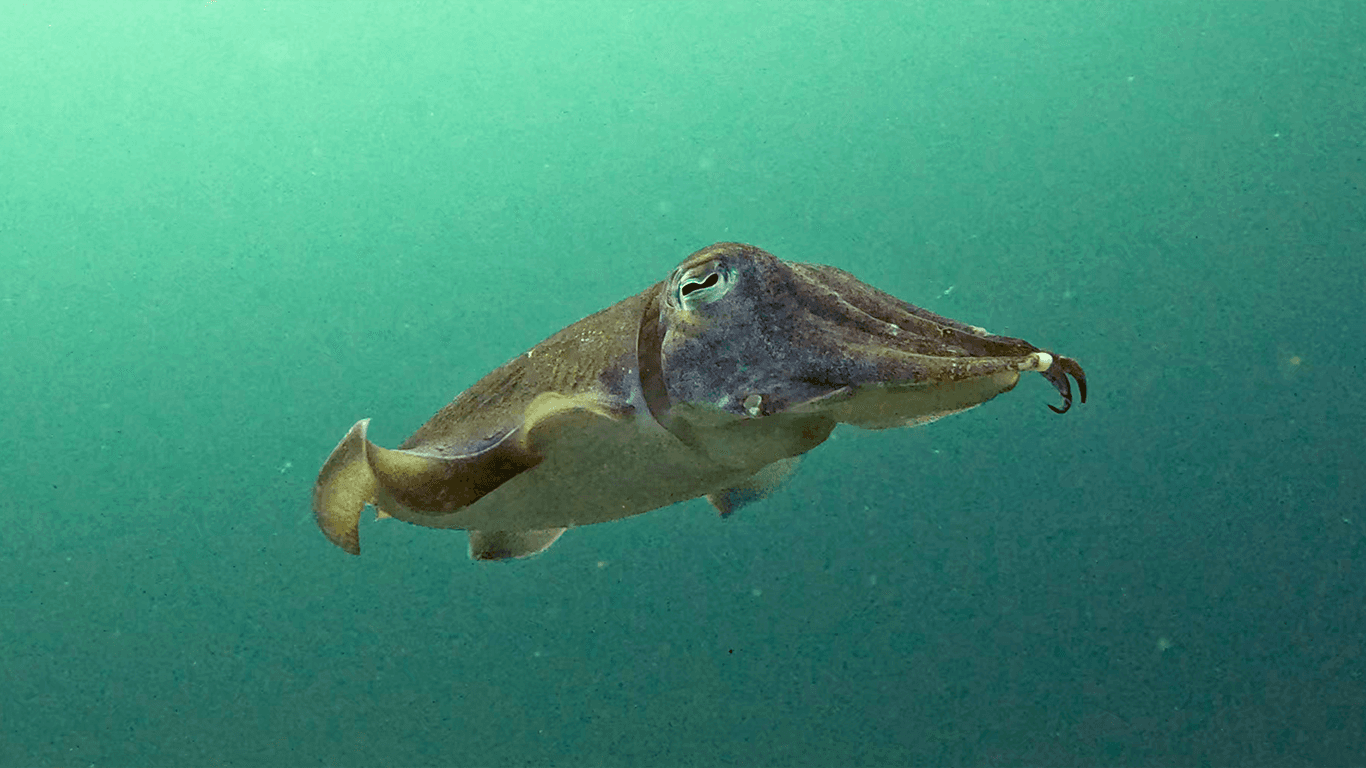
Pharaoh cuttlefish
The pharaoh cuttlefish is a large cuttlefish from the Sepia pharaonis group, found in the warm waters of the Indo-Pacific. Mantle length reaches about 42 cm and weight up to 5 kg. Like other cuttlefish, it has a well-developed nervous system and complex behaviour: it uses jet propulsion (including quick backward bursts), releases ink and changes colour and skin pattern instantly using chromatophores; it can also change the "texture" of its body surface with skin papillae for camouflage.
Sepia pharaonis
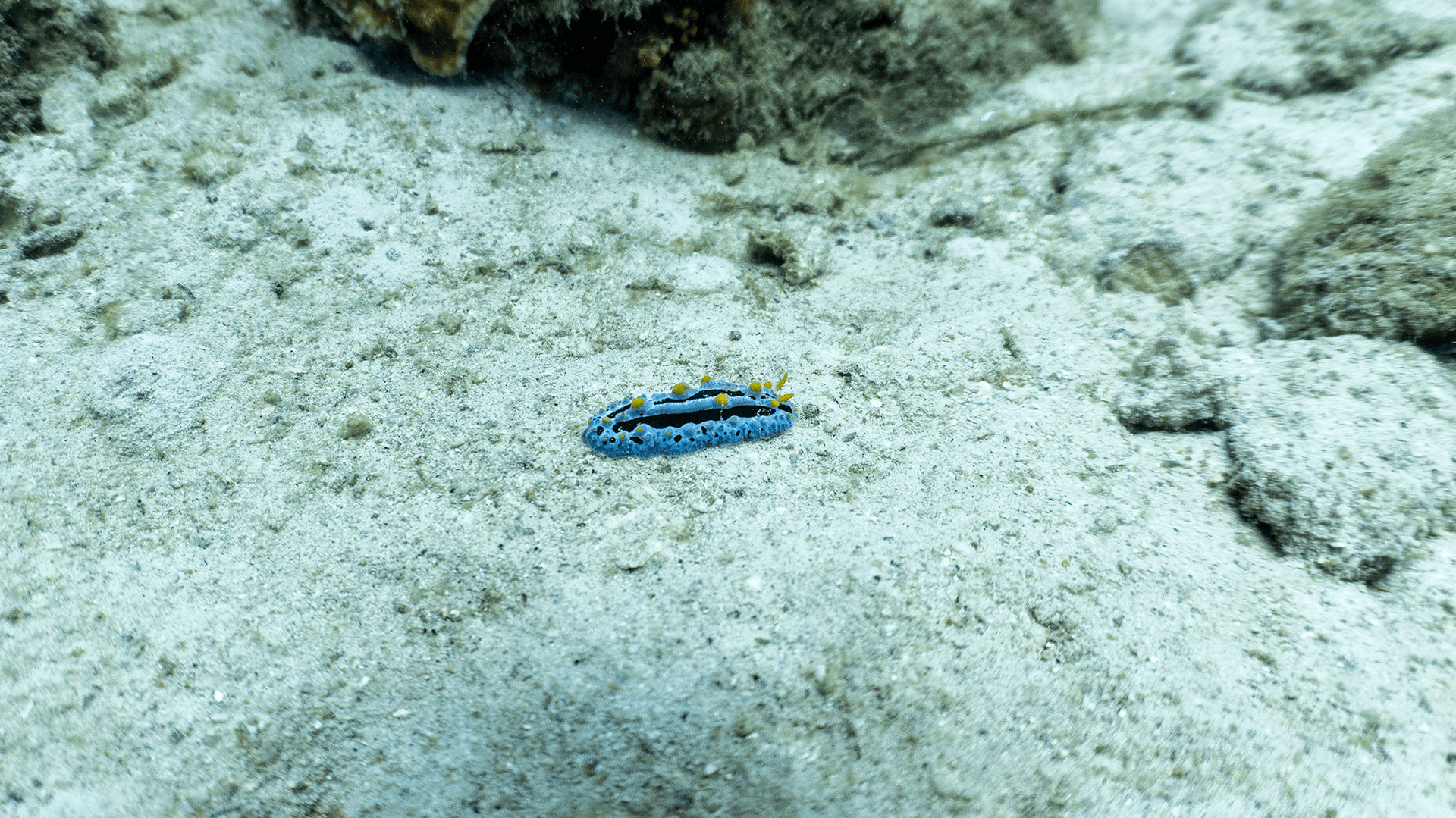
Phyllidia coelestis
Phyllidia coelestis is a nudibranch (sea slug) of the family Phyllidiidae. The body is oval, up to 6 cm. Coloration is grey-blue with three longitudinal black lines: two on the sides and one in the centre that forms a characteristic Y-shaped pattern in front of the rhinophores. The back is covered with bright yellow tubercles; the rhinophores are usually yellow. By day it crawls actively over the reef and feeds on sponges; the colour is warning coloration, and many phyllidiids are toxic to predators.
Phyllidia coelestis
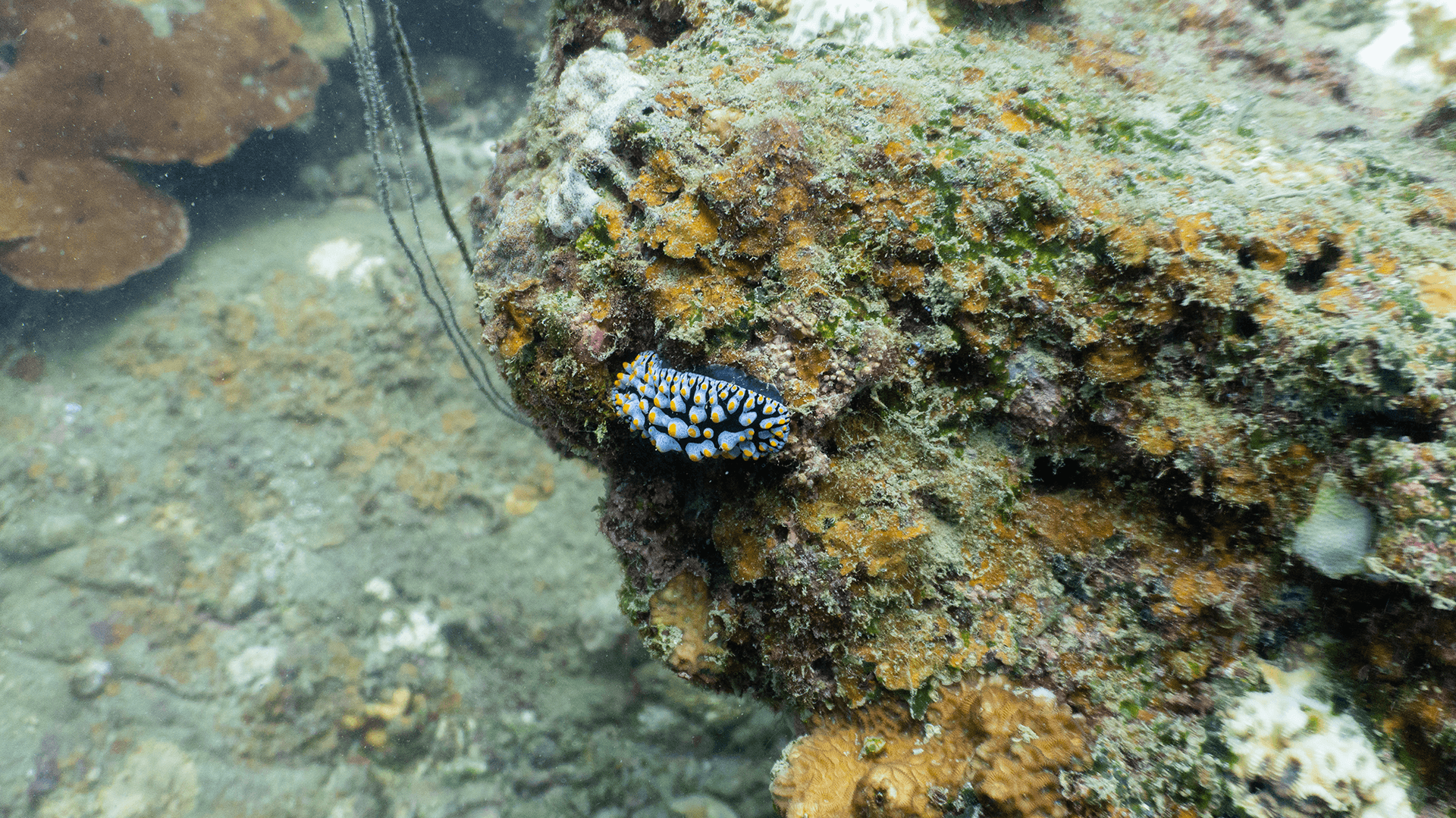
Phyllidia varicosa
Phyllidia varicosa is a large, colourful sea slug (nudibranch) of the family Phyllidiidae. The body is elongated-oval with 3–6 longitudinal ridges on the back bearing yellow-tipped tubercles; the ridges and tubercle bases are usually bluish-grey or blue with dark lines between them. The foot sole often has a clear dark longitudinal stripe. It lives on coral reefs and rocky areas, feeds on sponges and uses their chemicals for defence; it is considered toxic and has warning coloration.
Phyllidia varicosa